Picky Eater Meals Can Feel Calm, Colorful, and Realistic
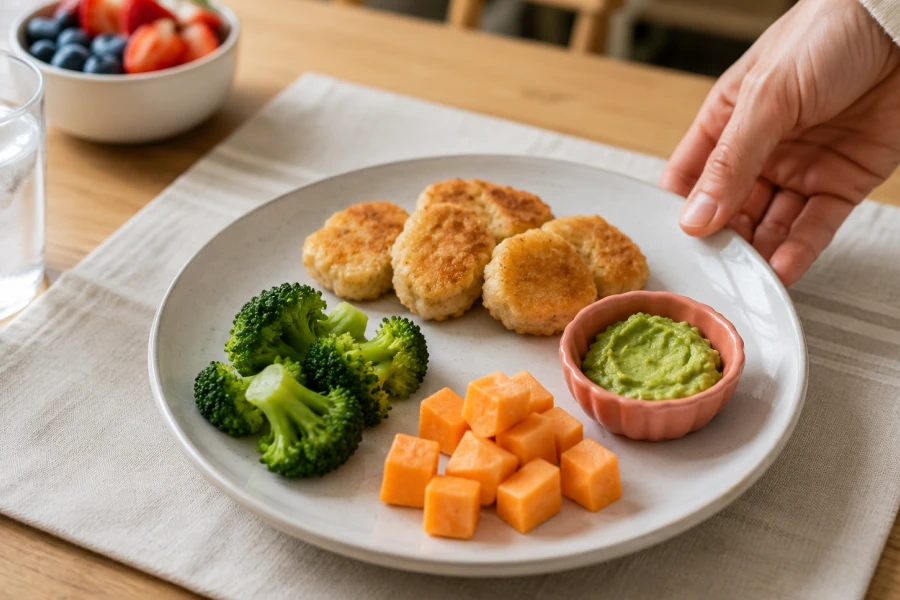
Picky Eater Meals often feel impossible when parents are tired, rushed, and worried. One child wants plain pasta. Another refuses anything green. A parent tries to stay patient but secretly feels defeated. The solution is not to cook separate dinners forever. It is also not to force a dramatic food makeover overnight. Better meals come from smart structure, gentle repetition, and less pressure. Parents can build plates that feel safe while still opening the door to variety. The process works best when families focus on consistency. Small changes can make dinner feel calmer within days.
Why Picky Eater Meals Need a Flexible Formula
A flexible formula helps parents avoid daily guesswork. Each meal can include a safe food, a family food, and a tiny learning food. The safe food lowers anxiety. The family food keeps the child connected to the shared meal. The learning food builds exposure without pressure. This structure supports nutrition and emotional safety together. It also saves parents from cooking multiple full meals. A parent meal planning approach can make this rhythm easier to repeat.
The formula should stay simple. Parents do not need complicated recipes every night. They need dependable patterns that work under real-life stress. A safe food might be rice, yogurt, toast, fruit, or chicken. A family food might be part of the shared dinner. A learning food might be one small vegetable piece. This setup keeps the plate approachable. It also teaches children that new foods can appear without taking over the meal.
Building Picky Eater Meals Around Safe Foods
Safe foods are not the enemy. They are the bridge. When children see something reliable on the plate, their nervous system can settle. That makes exploration more possible. Parents sometimes worry that safe foods reward picky behavior. Usually, they create a foundation for trust. A child who feels secure may interact more with unfamiliar foods. A child who feels trapped may refuse everything. This is why structure matters more than pressure.
Parents can use safe foods strategically. They can pair familiar textures with tiny variations. For example, a child who likes plain noodles might tolerate a new shape. A child who likes apples might notice a peeled pear nearby. These steps are small, but they teach flexibility. They also help parents avoid sudden changes that feel too big. Low-pressure meals make variety feel less threatening over time.
Make the Plate Easy to Understand
Children often respond better when plates look clear. Too many mixed textures can feel overwhelming. Sauces, casseroles, and combined dishes may confuse a selective eater. Deconstructed plates can help. Parents can serve parts of the meal separately. This lets a child see what each item is. It also gives them more control without changing the family menu. The meal still feels shared. The child simply receives it in a more approachable format.
Presentation does not need to be fancy. Small portions, clean spaces, and familiar arrangements are enough. A child may reject a pile of mixed vegetables but tolerate two peas beside rice. They may refuse a sandwich but eat the pieces separately. Parents can observe these preferences without judgment. Those observations become useful planning tools. Clear plates reduce uncertainty. They also support children who struggle with texture, smell, or visual overwhelm.
Picky Eater Meals That Invite Tiny Choices
Choice can reduce conflict when parents define the boundaries. Children should not decide the entire dinner every night. However, they can choose between two vegetables or two dips. They can pick which cup to use. They can decide whether the new food sits on the plate or a side dish. These small choices protect parental structure. They also give children a sense of agency. Picky eating strategies work better when children feel respected.
Parents should keep choices limited. Too many options can create more resistance. Two choices usually work better than five. The phrasing also matters. Instead of asking whether the child wants broccoli, parents can ask where it should go. This keeps the food present without turning it into a debate. Children learn that some things are decided by parents. Other things are open for participation. That balance builds cooperation.
Use Repetition Without Making It Boring
Repetition helps children learn food. Adults may want variety faster than children can handle. A child may need to see the same food many times before tasting it. This does not mean every meal must look identical. Parents can repeat ingredients in gentle ways. Carrots can appear raw, roasted, shredded, or beside a favorite dip. Yogurt can hold fruit one day and granola another. Small variation keeps meals interesting without overwhelming the child.
Parents can also repeat meal themes. Taco night, breakfast-for-dinner night, and pasta night create predictability. Within those themes, tiny changes can happen. A new topping can appear. A familiar fruit can be sliced differently. A sauce can sit on the side. This approach reduces planning fatigue. It also helps children expect variety as part of routine. Repetition becomes a learning tool, not a rut.
Keeping Picky Eater Meals Peaceful Over Time
Long-term success depends on making the system manageable. Parents need meals that fit school nights, work stress, and limited energy. A calm plan can include simple rotations, small exposure foods, and easy backups. It should not require perfection. Families are more likely to continue when the process feels realistic. Balanced family meals can support both nourishment and emotional connection.
The best results often come quietly. A child may stop panicking when peas appear. They may touch a new fruit. They may ask a question about smell. These moments are worth noticing. They show that fear is softening. Parents can keep the table calm by responding gently. Over time, children build confidence around food. Families build confidence around meals. That combination can change the entire evening rhythm.













Leave a comment