Peaceful Sibling Routine Makes Shared Space Feel Safer
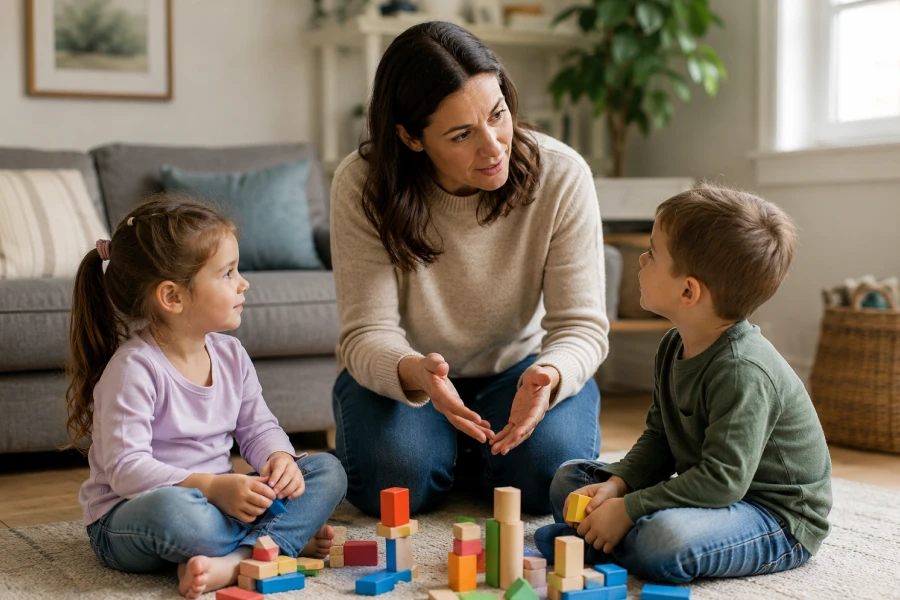
Peaceful Sibling Routine gives children a clearer way to move through family life together. Siblings often fight when expectations feel vague. They may not know who gets the toy, when turns change, or where private belongings belong. Parents then become constant referees. A routine can lower that pressure. It creates predictable rhythms around play, chores, attention, and repair. Children still need reminders, especially during stressful seasons. However, routines make those reminders easier to accept. They help the home feel less random. They also give parents a calmer structure for handling everyday tension.
Why Peaceful Sibling Routine Needs Clear Expectations
Clear expectations reduce guessing. Children often argue because the rules change depending on parent mood or daily stress. One day grabbing gets ignored. Another day it leads to a lecture. A routine helps everyone know what happens next. A shared space rules system can make family expectations visible and practical. Children may still test limits. At least the boundary feels familiar.
Expectations should be simple enough for children to remember. Use short phrases. Hands are for helping. Ask before taking. Repair after hurt. These phrases become family language. Parents can repeat them without sounding like they are starting over each time. Children need repetition to internalize social rules. A routine gives that repetition a home. It also helps parents stay consistent during tired moments.
How Peaceful Sibling Routine Supports Transitions
Transitions often trigger sibling friction. Children may fight when moving from school to home, play to dinner, or screens to bedtime. The shift itself creates stress. Siblings become easy targets. A predictable transition routine reduces surprise. It might include a snack, quiet time, outdoor movement, or separate decompression. Calm sibling routines protect the family from predictable explosions.
Parents can also separate children before conflict begins. This is not punishment. It is prevention. Some siblings need ten minutes apart after school. Others need separate activity choices before shared play. Parents often wait until the fight starts. Planning ahead saves energy. It also teaches children that different bodies need different resets. That lesson can build emotional awareness. It can also make togetherness feel more successful later.
Make Turns Visible
Invisible turns create endless arguments. Children may disagree about who had something first or how long a turn lasted. Visual systems reduce this confusion. A timer can help. A turn chart can help. A simple basket for waiting toys can help. Parents do not need complicated rules. They need visible rules children can trust. This removes some power from the argument. It places structure in the environment.
Visible turns also reduce parent involvement. Children can look at the system instead of demanding instant judgment. A parent may still need to help at first. Over time, children can use the system more independently. They may not love waiting. Still, they understand the process. That understanding lowers the emotional charge. It also helps children practice patience in a concrete way.
Peaceful Sibling Routine for Repair Moments
Repair should be part of the routine, not a rare event. Siblings will hurt feelings, grab things, yell, and misunderstand each other. The question is what happens afterward. A repair routine gives children steps. Pause. Breathe. Name what happened. Choose one helpful action. A sibling repair framework can help parents teach this without long lectures.
Repair moments work better when parents avoid shaming. A child who feels attacked may defend instead of reflect. Parents can stay firm while keeping language respectful. They can say, “You were angry, and hitting hurt your brother.” Then they can ask what would help now. Children may need options. They might rebuild, return, apologize, or give space. Repair becomes practical. It teaches that relationships can recover after conflict.
Create Protected Personal Space
Shared family life needs personal boundaries. Siblings fight more when everything feels available to everyone. Each child should have some belongings that require permission. They should also have places where they can take a break. Personal space does not have to be large. A shelf, box, drawer, or corner can work. The message matters more than the size. Children need to know that their boundaries count.
Parents can teach permission as a family rule. Ask before borrowing. Return what you use. Stop when someone says no. These rules sound basic, but children need repeated coaching. Parents should enforce them consistently. This protects trust between siblings. It also reduces resentment. When children know their things are respected, they may share more freely. Boundaries often create more generosity, not less.
Keeping Peaceful Sibling Routine Flexible
A routine should support the family, not trap it. Some days need more structure. Other days need more freedom. Parents can adjust while keeping core expectations steady. The best systems leave room for tiredness, illness, school stress, and changing ages. A peaceful home dynamics approach helps families adapt without losing direction.
Flexibility also teaches problem-solving. Children learn that routines are tools, not threats. If a system stops working, the family can revise it. Parents can ask what feels hard and what might help. This gives children a voice while preserving leadership. Over time, shared space feels less chaotic. Siblings may still clash. Yet they have a stronger framework for returning to balance.













Leave a comment