Meaningful Family Time Feels Better When It Stays Simple
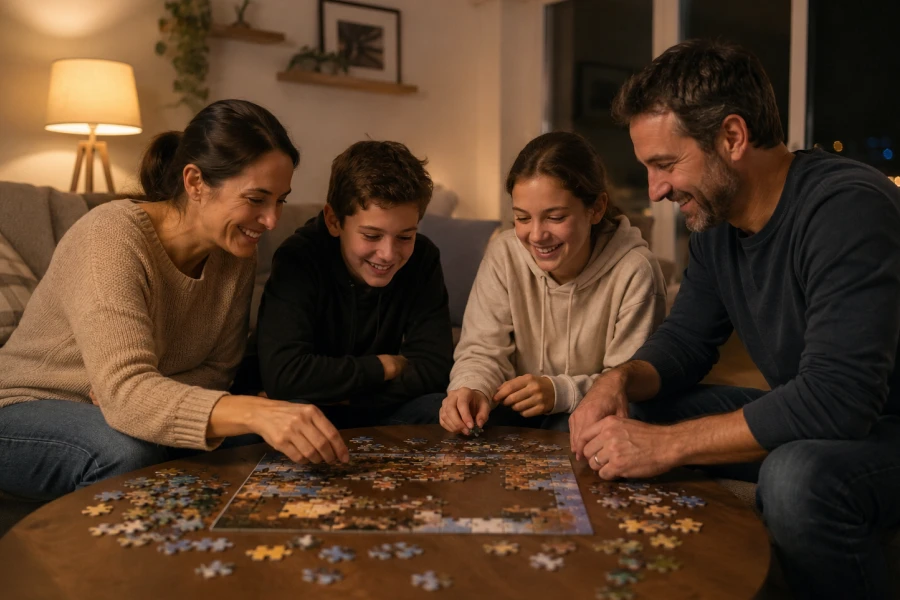
Meaningful Family Time often gets buried beneath busy schedules and unrealistic expectations. Parents may think connection requires big plans, special supplies, or long weekends. Children may simply want attention that feels relaxed and genuine. The best moments are often smaller than families expect. A walk after dinner can become a tradition. A shared playlist can change the mood of cleanup. A kitchen conversation can become the highlight of a child’s day. Simplicity helps connection happen more often. It also reduces pressure. When families stop chasing perfect moments, they can enjoy the real ones already waiting at home.
Why Meaningful Family Time Should Not Feel Complicated
Complicated plans can create resistance. Parents may feel stressed before the activity starts. Children may sense that pressure and withdraw. Simple plans create more room for joy. A ten-minute activity can be enough when attention is genuine. Families can read together, prepare a snack, play a quick game, or sit outside. A simple family activity can work better than an elaborate plan that rarely happens.
Simplicity also makes connection more inclusive. Younger children, older siblings, tired parents, and busy schedules can all fit into smaller rituals. Families can adapt without canceling everything. If an hour is impossible, ten minutes still counts. If the weather changes, the activity can move inside. If someone feels tired, the family can choose a quieter option. Connection grows when it remains accessible.
How Meaningful Family Time Creates Belonging
Belonging grows when each person feels noticed. Shared time gives parents a chance to see children beyond behavior and performance. A child becomes more than grades, chores, moods, or mistakes. They become a full person with humor, preferences, questions, and ideas. Family togetherness ideas can help parents create moments where every child has a place.
Parents can build belonging by rotating choices. One child picks the game. Another chooses dessert music. Another chooses the walk route. This keeps connection from becoming parent-directed only. It also helps children learn generosity. They experience having a turn and waiting for one. Families can name this rhythm gently. Everyone matters here. Everyone gets to shape the home in small ways.
Choose Activities That Invite Conversation
Some activities naturally open conversation. Walking, cooking, drawing, driving, and sorting objects can help children talk without feeling stared at. The side-by-side format lowers pressure. Parents can listen for small openings. A child may mention a friendship problem while washing dishes. A teen may share a concern during a late snack. These moments often arrive quietly. Parents can miss them if they rush.
Listening well matters more than asking perfect questions. Parents can reflect what they hear. They can pause before offering advice. They can ask whether the child wants help or just a listener. This teaches emotional respect. Children may become more willing to share again later. The activity becomes a trusted setting for connection. Over time, family conversations deepen without becoming formal.
Meaningful Family Time Without Forced Fun
Forced fun can backfire. Children may resist when parents announce a bonding moment too dramatically. Teens especially may withdraw if an activity feels staged. A lighter invitation often works better. Parents can say, “I am making popcorn if anyone wants to join.” They can start a puzzle and leave room for others. A connection through play approach keeps the tone open instead of demanding.
Parents should also accept partial participation. A child may join for five minutes. A teen may hover nearby before engaging. A younger sibling may drift in and out. This still matters. Family connection does not always look tidy. Sometimes proximity is the first step. When parents stay welcoming without pressure, children feel freer to return. That freedom can make participation more genuine.
Make Ordinary Evenings Count
Ordinary evenings offer many chances for connection. Dinner prep, homework breaks, pet care, and bedtime routines can hold small moments of warmth. Parents can add one intentional touch. They might ask a playful question. They might turn cleanup into a song. They might offer a shoulder squeeze while passing through the room. These moments are easy to underestimate. Children often remember them because they happen repeatedly.
Parents can choose one evening anchor. It might be a shared question at dinner. It might be reading for ten minutes. It might be a family stretch before bedtime. The anchor should be simple enough to repeat even on tired nights. Repetition gives it meaning. Children begin to expect it. That expectation builds emotional security. The evening feels less like a rush and more like a return.
Keeping Meaningful Family Time Consistent
Consistency does not mean doing the same thing forever. It means protecting connection as a family value. Activities can change with seasons, ages, and energy levels. The commitment remains. Families can review what still works and what feels stale. A practical bonding routine helps parents keep connection alive without overplanning.
Small consistency creates big emotional returns. Children learn that family time is not reserved for special occasions. It belongs inside normal life. Parents learn they do not need to entertain everyone constantly. They only need to create openings for presence. Over time, these openings become part of the family identity. Home feels warmer because connection has a rhythm. That rhythm can hold everyone through busy seasons.













Leave a comment