Sibling Fighting Help Can Turn Noise Into Useful Signals
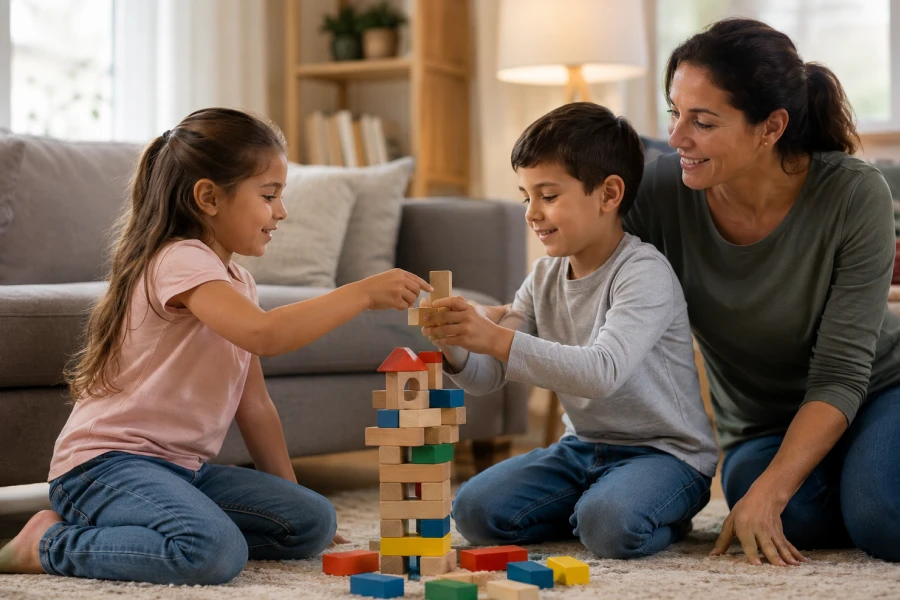
Sibling Fighting Help becomes more effective when parents stop seeing every argument as failure. Noise can feel overwhelming, especially when fights happen daily. Still, conflict often signals an unmet need, weak boundary, or missing skill. A child may need attention. Another may need space. Both may need clearer rules. Parents can respond more calmly when they understand the signal beneath the shouting. The goal is not to erase every disagreement. The goal is to teach children how to handle tension safely. With the right support, fights can become practice for communication, repair, and emotional control.
Why Sibling Fighting Help Starts With Safety
Safety comes before teaching. When children hit, throw, threaten, or corner each other, parents must step in quickly. Calm does not mean passive. A parent can block harm and use a firm voice. They can say, “I will not let you hit.” This protects both children. It also shows that big feelings have boundaries. A parenting conflict tools approach helps adults stay steady during these moments.
After safety returns, parents can slow down. This pause matters. Children cannot learn much while flooded with anger. They may need space, water, breathing, or quiet. Parents may need the same. A short reset prevents the discussion from becoming another conflict. Once everyone calms, the parent can help children understand what happened. Teaching works best after the emotional storm passes.
How Sibling Fighting Help Finds the Real Trigger
The visible trigger is often not the real trigger. A fight about a marker may be about control. A fight about a seat may be about belonging. A fight about attention may be about insecurity. Parents can ask better questions when they look beneath the surface. They should avoid interrogating children. Short, neutral questions work best. Sibling behavior insights can help parents connect repeated conflicts to deeper needs.
One helpful question is, “What were you trying to make happen?” This invites explanation without approving the behavior. Another is, “What did your sibling experience?” This builds perspective. Children may answer poorly at first. That is normal. Perspective-taking is a skill. Parents can model it gently. Over time, children become better at naming motives, needs, and impact. The fight becomes more understandable. The solution becomes more targeted.
Coach Words Before Consequences
Consequences have a place, but skills should come first. A child who grabs may not know how to enter play. A child who screams may not know how to express frustration. Parents can teach replacement phrases. Can I have a turn when you finish? I need space. Please stop. I am not done. These phrases give children tools before emotions explode. Practice works better outside conflict. Calm moments build the skill bank.
Parents can role-play briefly. They can use toys, drawings, or simple scenarios. The practice should feel light, not like a lecture. Children learn through repetition. They also learn through seeing parents use respectful language. When adults model repair, children absorb it. Words will not work perfectly every time. Still, they create an alternative path. That path becomes easier with practice.
Sibling Fighting Help During Daily Hot Spots
Daily hot spots deserve special attention. Common moments include after school, before dinner, during screen transitions, and near bedtime. These times often combine hunger, fatigue, and low patience. Parents can plan for them instead of reacting every day. A snack, outdoor break, quiet activity, or separate task can prevent trouble. A home harmony plan gives families structure for these predictable windows.
Prevention is not weakness. It is wise parenting. Adults adjust environments all the time to support success. Children need that support too. If siblings fight during cleanup, assign clear roles. If they clash over screens, use a visible schedule. If they melt down after school, separate them before shared play. These changes do not excuse behavior. They make better behavior more possible.
Avoid the Judge Trap
Parents often feel forced to decide who started it. This can become a trap. Children may compete to look innocent. One child may become the family villain. Another may learn to provoke quietly. Instead of acting like a judge, parents can act like a coach. They can focus on what each child did next. They can ask what each child needs to repair. This keeps responsibility shared but specific.
Sometimes one child truly causes more harm. Parents should address that clearly. Still, labels do not help. Saying “you always ruin things” creates shame and resistance. Saying “grabbing hurt your sister and needs repair” teaches responsibility. The second sentence is firmer and more useful. It names the action. It protects the relationship. It also gives the child a path forward.
Keeping Sibling Fighting Help Focused on Repair
Repair turns conflict into learning. It helps children understand that relationships can bend without breaking. A child can make amends through action, words, space, or replacement. The right repair depends on the situation. A emotional regulation for siblings
Parents should celebrate recovery more than perfection. A sibling who returns a toy after grabbing it is learning. A child who says they need space instead of yelling is growing. A pair of siblings who rebuild after a fight is practicing resilience. These moments deserve calm recognition. Over time, children begin to expect repair as part of family life. That expectation can change the emotional climate at home.













Leave a comment