Peaceful Picky Eating Turns Dinner Into Breathing Room
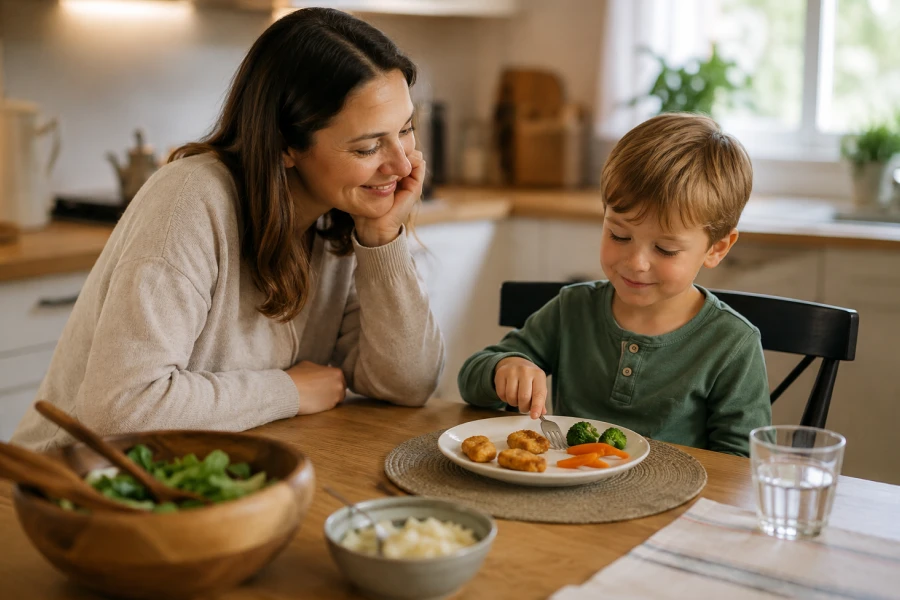
Peaceful Picky Eating begins when parents stop treating dinner like a daily test. Many children resist new foods because the table feels too loud, rushed, or emotionally loaded. Parents often push harder because they care deeply about nutrition. That pressure can make kids dig in even more. A calmer approach gives everyone room to breathe. It helps parents notice patterns without turning every bite into a battle. It also gives children a safer way to explore food slowly. When meals feel predictable, kids often become more curious. Progress may look small at first. Still, small wins matter because they rebuild trust around food.
Why Peaceful Picky Eating Starts With Pressure Relief
Pressure often looks helpful on the surface. A parent asks for one more bite. A child refuses. The meal becomes tense. Soon, everyone remembers the struggle more than the food. Pressure relief changes that pattern. It does not mean parents stop caring. It means they stop making every plate a performance. A calm mealtime system can help parents separate structure from stress. Children still receive clear meals. They simply do not feel cornered by them.
This shift matters because trust comes before variety. Kids need to believe food will not become a trap. Parents need to believe one refused vegetable does not ruin the week. A peaceful table creates space for both truths. Over time, children learn that familiar foods stay available. New foods can appear without pressure. Parents can observe what works. That steady rhythm supports cooperation. It also helps reduce the emotional fatigue that many families carry into dinner.
How Peaceful Picky Eating Changes the Table Mood
The mood around food shapes how children respond. A tense table can make even safe foods feel suspicious. A calmer table invites more flexibility. Parents can use language that feels neutral and steady. For example, they can describe texture, color, or smell without demanding a taste. This makes new foods less dramatic. It also teaches children how to notice food calmly. A family feeding plan gives parents a repeatable way to stay consistent when emotions rise.
Children often watch the adults more than the plate. If parents tense up, children may tense up too. If parents stay grounded, children learn that food exploration can stay safe. The change does not happen overnight. Some meals will still feel messy. Some foods will still be rejected. However, the family no longer treats rejection as disaster. That difference protects the meal environment. It also helps everyone return to connection after a difficult moment.
Create Predictable Plates
Predictability helps children feel secure. A plate can include one familiar food, one accepted food, and one small exposure food. The exposure food does not need to be eaten immediately. Its job is to appear without drama. This method helps children build comfort through repetition. Parents stop reinventing every meal. They also stop guessing what might finally work. A steady pattern makes planning easier. It reduces last-minute bargaining. It gives children a familiar rhythm they can trust.
The key is keeping portions gentle. A giant serving of a new food can feel threatening. A tiny portion feels more manageable. Children might touch it, smell it, move it, or ignore it. Each response gives parents information. Some kids need many exposures before tasting. Others need control over placement. Parents can track these signals without turning them into pressure. Predictable plates make progress feel practical, not magical. They also support better patience during picky phases.
Peaceful Picky Eating for New Food Moments
New food moments work best when expectations stay low. Parents can introduce a food beside something familiar. They can let the child decide whether to interact with it. This keeps the experience calm. It also prevents new foods from becoming symbols of conflict. A child may first notice the shape. Later, they may smell it. Eventually, they may taste it. That path still counts as movement. Sensory-friendly food ideas can make these steps easier for families.
Parents should also avoid turning curiosity into applause too quickly. Big reactions can create new pressure. A simple comment works better. Saying “you noticed the carrot” keeps the moment neutral. It respects the child’s pace. It also tells the child that exploration is enough for now. This does not lower standards. It builds capacity. Many children need confidence before variety. Calm introductions help them develop that confidence without feeling watched or judged.
Support Without Bribes
Bribes can work briefly, but they often create a fragile pattern. A child may eat for dessert, praise, or reward. That does not always build real comfort with food. It can also teach children that vegetables are obstacles. Support looks different. Parents can offer choices within boundaries. They can let children choose between two vegetables. They can invite children to help rinse fruit. These small roles create ownership. They also shift attention from winning to participating.
Support also means staying consistent when a child says no. Parents can acknowledge the refusal without turning the meal over to negotiation. They can say the food is available and move on. This response is simple, but it takes practice. Many parents feel anxious when a child eats less than expected. A structured approach helps reduce that panic. Families can still protect nutrition. They can also protect peace. Both goals matter during feeding challenges.
Keeping Peaceful Picky Eating Sustainable
Sustainability comes from routines parents can actually repeat. A perfect plan that exhausts the family will not last. Parents need strategies that fit real evenings. That may mean rotating reliable meals, preparing small exposure foods, and keeping language simple. The goal is not restaurant-level variety every night. The goal is a calmer relationship with food. A picky eater support framework can make that goal feel more manageable.
Families also need permission to measure progress differently. A child sitting calmly near a food can be progress. Smelling something new can be progress. Taking one bite and stopping can be progress. Parents often miss these wins because they are waiting for a clean plate. A more peaceful lens helps them notice growth earlier. That creates encouragement without pressure. Over time, meals become less about control. They become a steady place for nourishment, trust, and connection.












Leave a comment