Sibling Conflict Solutions Start Before the Next Argument
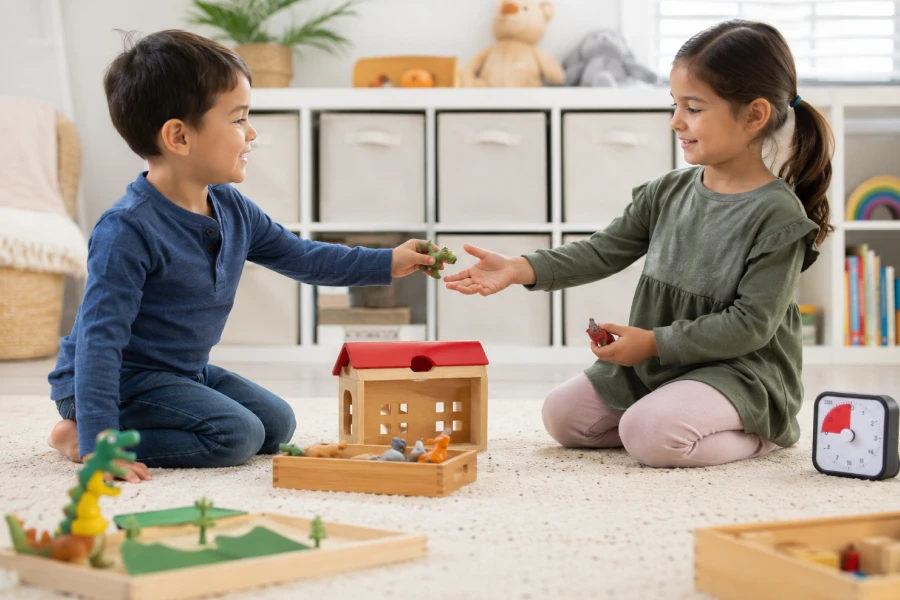
Sibling Conflict Solutions work best when parents look beyond the loudest moment. A fight over a toy may really be about attention, fairness, boredom, or control. Parents often step in only when yelling begins. By then, everyone feels defensive. A stronger approach starts earlier. It helps parents notice patterns, teach repair, and create calmer family rhythms. Children still disagree because siblings are real people with real emotions. The difference is that conflict becomes something the family can handle. Parents do not need to become referees forever. They can become coaches who teach skills before resentment builds.
Why Sibling Conflict Solutions Need Pattern Awareness
Patterns reveal what single arguments hide. One child may explode before dinner. Another may grab toys when feeling ignored. A younger sibling may provoke because attention arrives quickly after conflict. Parents can track these patterns without blaming anyone. This helps them respond more wisely. A sibling rivalry support system can help parents see the bigger picture. Once patterns become visible, solutions become more specific.
Pattern awareness also reduces parental frustration. Instead of thinking children are fighting about everything, parents can identify predictable triggers. Maybe transitions need more structure. Maybe shared toys need clearer rules. Maybe each child needs individual attention. These insights shift the parent from panic to planning. Children feel that steadier energy. They may still resist boundaries. However, the household no longer reacts as if every argument is brand new.
How Sibling Conflict Solutions Change Parent Reactions
Parents often want the fight to stop immediately. That instinct makes sense. Noise is stressful, and unfairness can feel urgent. Still, fast reactions can miss the lesson. Children need help naming what happened. They need help separating feelings from behavior. They also need help repairing harm. Peaceful parenting tools can help parents slow the moment down without losing authority.
A calmer reaction does not mean letting children hurt each other. Safety comes first. Parents can block hitting, separate bodies, and use firm language. After safety returns, teaching begins. A parent might say, “You both wanted the block tower, and grabbing made it worse.” This keeps the focus on behavior and impact. It avoids labels like mean, dramatic, or selfish. Children learn more when they do not feel shamed.
Teach Repair, Not Forced Apologies
Forced apologies can sound polite while teaching very little. A child may say sorry to escape trouble. Another child may feel the apology means nothing. Repair goes deeper. It asks what happened, who was hurt, and what can help now. A child might return a toy, rebuild a tower, give space, or use a kinder phrase. Repair teaches responsibility through action. It also helps the hurt sibling feel seen.
Parents can keep repair simple. They do not need a long courtroom discussion. They can ask each child one clear question. What were you trying to do? What happened to your sibling? What can you do next? These questions build reflection. Younger children may need choices. Older children may need space before talking. The goal is not instant harmony. The goal is practice. Repair becomes a family habit over time.
Sibling Conflict Solutions for Fairness Triggers
Fairness triggers cause many sibling battles. Children notice who got more cereal, more attention, more screen time, or more turns. Parents can validate the feeling without promising identical treatment. Equal is not always fair. Different children need different support at different times. A family conflict plan helps parents explain this calmly. It also gives children predictable rules around turns and shared resources.
Parents can use visible systems when fairness feels confusing. Timers, turn cards, shared schedules, and clear ownership rules can reduce arguments. Children often fight less when they know what will happen next. They also cope better when limits feel consistent. Parents should avoid comparing siblings. Even positive comparisons can create rivalry. Each child needs to feel valued without competing for identity. Fairness grows when children trust that their needs matter.
Build Individual Connection
Sibling conflict often intensifies when children compete for parental attention. A child may provoke because negative attention still feels like connection. Short individual moments can reduce that pressure. Ten minutes of focused play can matter. A quick bedtime check-in can matter. A special errand together can matter. These moments tell each child they have a secure place with the parent. Security can soften rivalry.
Individual connection does not need to be equal every day. It needs to be reliable over time. Parents can name when a child’s turn is coming. They can protect small rituals. They can notice strengths without comparing siblings. This helps each child feel seen as a separate person. When children feel less replaceable, they may guard attention less aggressively. That makes cooperation easier during shared family time.
Keeping Sibling Conflict Solutions Practical
Practical systems matter because parents cannot script every argument. They need repeatable steps. First, ensure safety. Second, name the conflict calmly. Third, help each child speak briefly. Fourth, guide repair. A sibling communication skills approach makes those steps easier to remember under stress.
The strongest families are not conflict-free. They are repair-rich. Children learn that disagreements do not destroy relationships. They learn that anger can be handled safely. Parents learn that they do not have to solve every emotional storm perfectly. Small coaching moments build lifelong skills. Over time, siblings may still argue, but they recover faster. That recovery is the real sign of progress.













Leave a comment